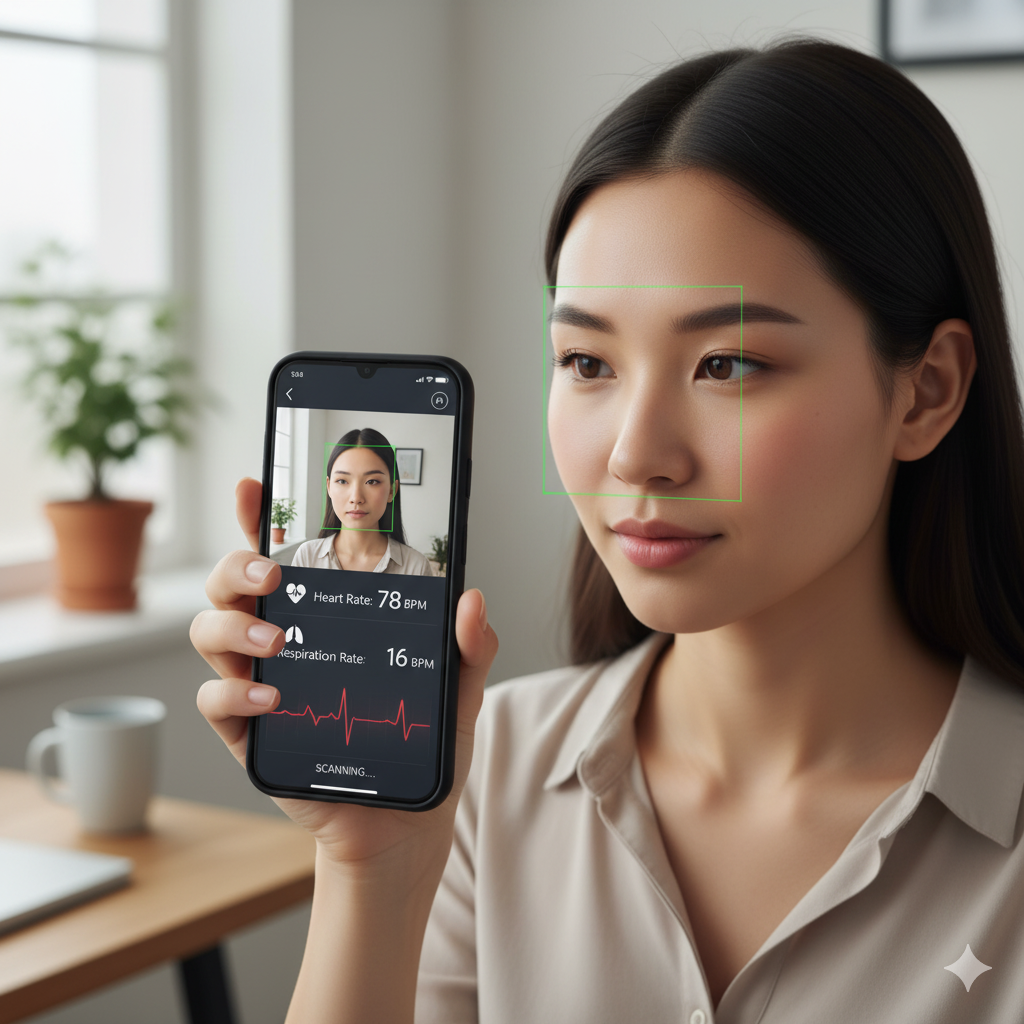
The RE.DOCTOR Vital Signs Handbook

The RE.DOCTOR Vital Signs Handbook

The RE.DOCTOR Vital Signs Handbook

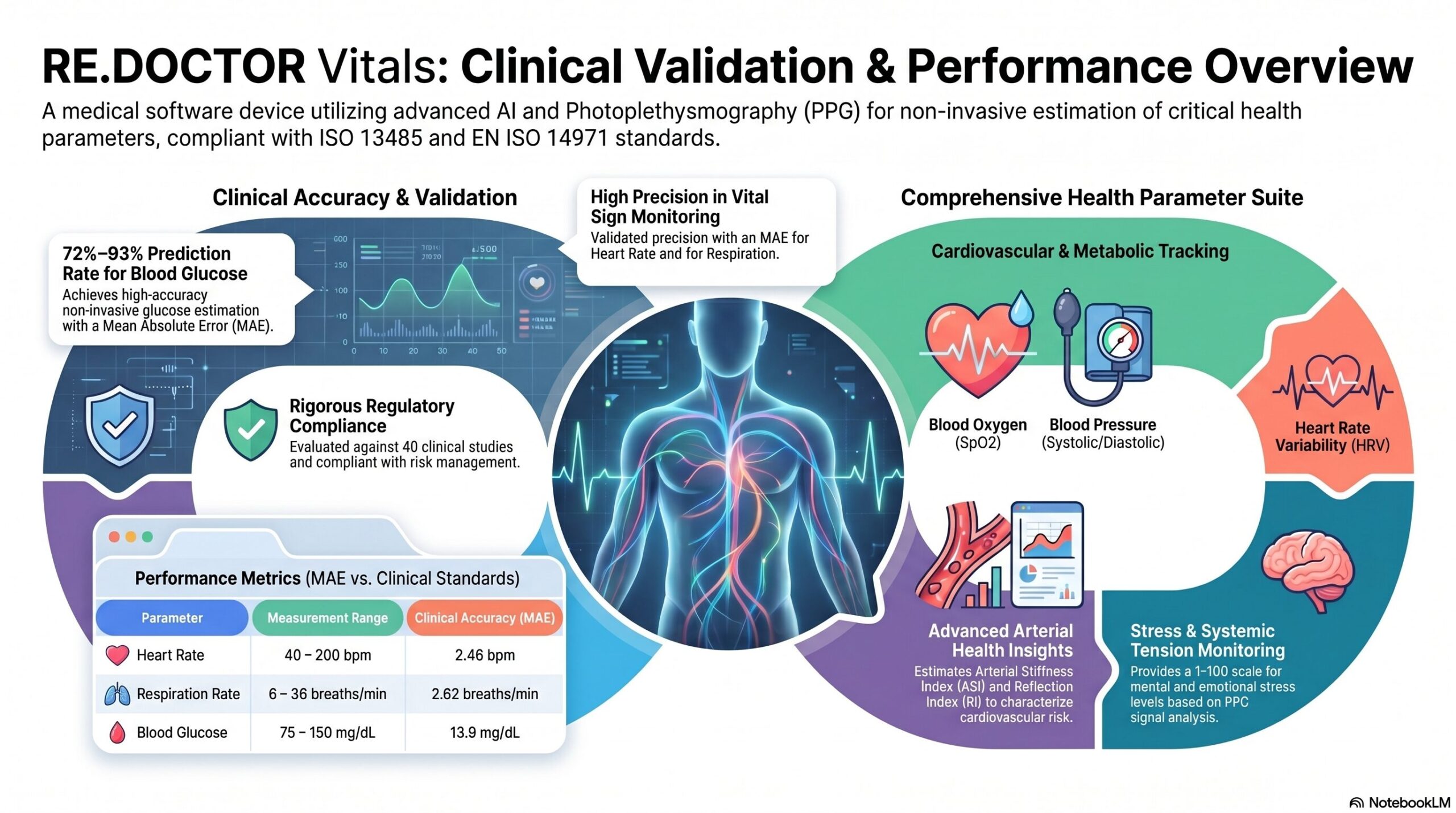
play.re.doctor/ Vital Signs Handbook: A Guide to Health Metrics 1. Introduction to Vital Signs and Remote Monitoring Heading In clinical health sciences, vital signs are the primary measurements of the body’s most essential functions. They provide a foundational assessment of a person’s physiological state, offering critical data on how effectively the heart, lungs, and metabolic
Breaking Down Health Inequality: How RE.DOCTOR Vitals Democratizes Healthcare Access

Breaking Down Health Inequality: How RE.DOCTOR Vitals Democratizes Healthcare Access

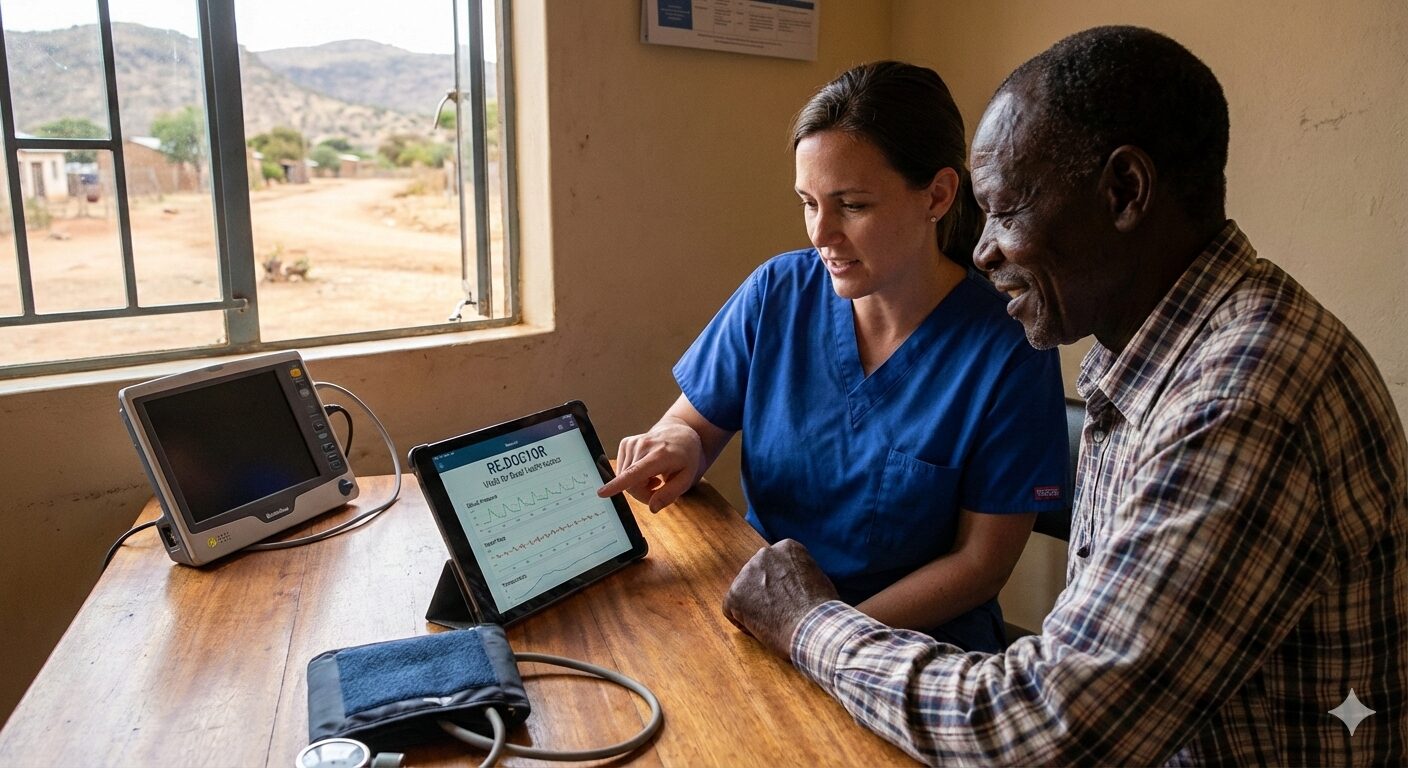
Healthcare inequality remains one of our greatest challenges. RE.DOCTOR Vitalsis addressing healthcare access head-on by making clinical-grade vital signs monitoring accessible to anyone with a smartphone. The Access Problem: Millions lack access to regular health monitoring due to: Geographic isolation Economic constraints Limited healthcare infrastructure Mobility challenges Technology as the Equalizer: RE.DOCTOR Vitals requires no additional hardware, no

HRV measures the variation in time between each heartbeat (in milliseconds). A healthy heart is not like a metronome; it speeds up slightly when you inhale and slows down when you exhale.

What is the Early Warning Scale: Heart Rate Variability (HRV)

The “Early Warning Scale” you are referring to is Heart Rate Variability (HRV) itself. Unlike the Ewing system, which rates neuropathy in distinct stages (Normal, Early, Definite, Severe), HRV is a continuous physiological measurement. It is considered an “early warning” system because it can detect subclinical nerve damage (specifically to the vagus nerve) long before

How RE.DOCTOR is Redefining Chronic Diseases Screening

How RE.DOCTOR is Redefining Chronic Diseases Screening

The global burden of chronic diseases—conditions like hypertension, cardiovascular disease, and type 2 diabetes—is immense. These illnesses often develop silently, making early detection and proactive management crucial for improving outcomes and quality of life. Yet, traditional screening methods can be cumbersome, requiring frequent clinical visits and specialized equipment. What if a powerful, accurate health screening

RE.DOCTOR Partners with RAVCARE to Deliver Seamless Remote Patient Monitoring

RE.DOCTOR Partners with RAVCARE to Deliver Seamless Remote Patient Monitoring

In an era where proactive healthcare is paramount, a powerful new partnership is set to transform the patient care landscape. RE.DOCTOR is proud to announce its strategic partnership with RAVCARE, a leading provider of fully managed, turn-key Remote Patient Monitoring (RPM) services. This collaboration is designed to empower healthcare providers—from medical clinics to senior living

rPPG

When to choose PPG over rPPG vitals collection?

Both Photoplethysmography (PPG) and remote Photoplethysmography (rPPG) are techniques used to measure physiological vital signs by detecting changes in blood volume in the microvascular bed. The choice between PPG and rPPG depends largely on the application, desired convenience, and available resources. Here’s a breakdown to help you decide when to choose PPG over rPPG: Choose

Keep Telehealth Patients Actually Using Your App

Keep Telehealth Patients Actually Using Your App

A quick take on how play.re.doctor/ Vitals turns one-off consults into sticky, daily habits. So you shipped a slick telehealth app—video calling, scheduler, maybe even pill reminders. Great. Trouble is, patients log in for the yearly flu chat, then vanish for 364 days. The shortcut to keeping them around? Make the phone do something cool

Want to Collect Vital Signs with Your Wellness App?

Want to Collect Vital Signs with Your Wellness App?

Integrate RE.DOCTOR Vitals Scan! In today’s fast-paced world, health and wellness have taken center stage like never before. People are more conscious about their well-being, and technology has stepped up to make it easier than ever to keep tabs on our health. From step counters to sleep trackers, wellness apps have become our digital health

How accurate are patient-reported vital signs compared to clinical measurements

How Accurate are Patient-Reported Vital Signs

Patient-reported vital signs tend to be less accurate and reliable compared to clinical measurements taken by healthcare professionals using standardized equipment and protocols. Key points from recent studies and reviews include: Vital signs (such as blood pressure, heart rate, respiratory rate, and temperature) recorded by patients or less experienced personnel often show variability, rounding, or