

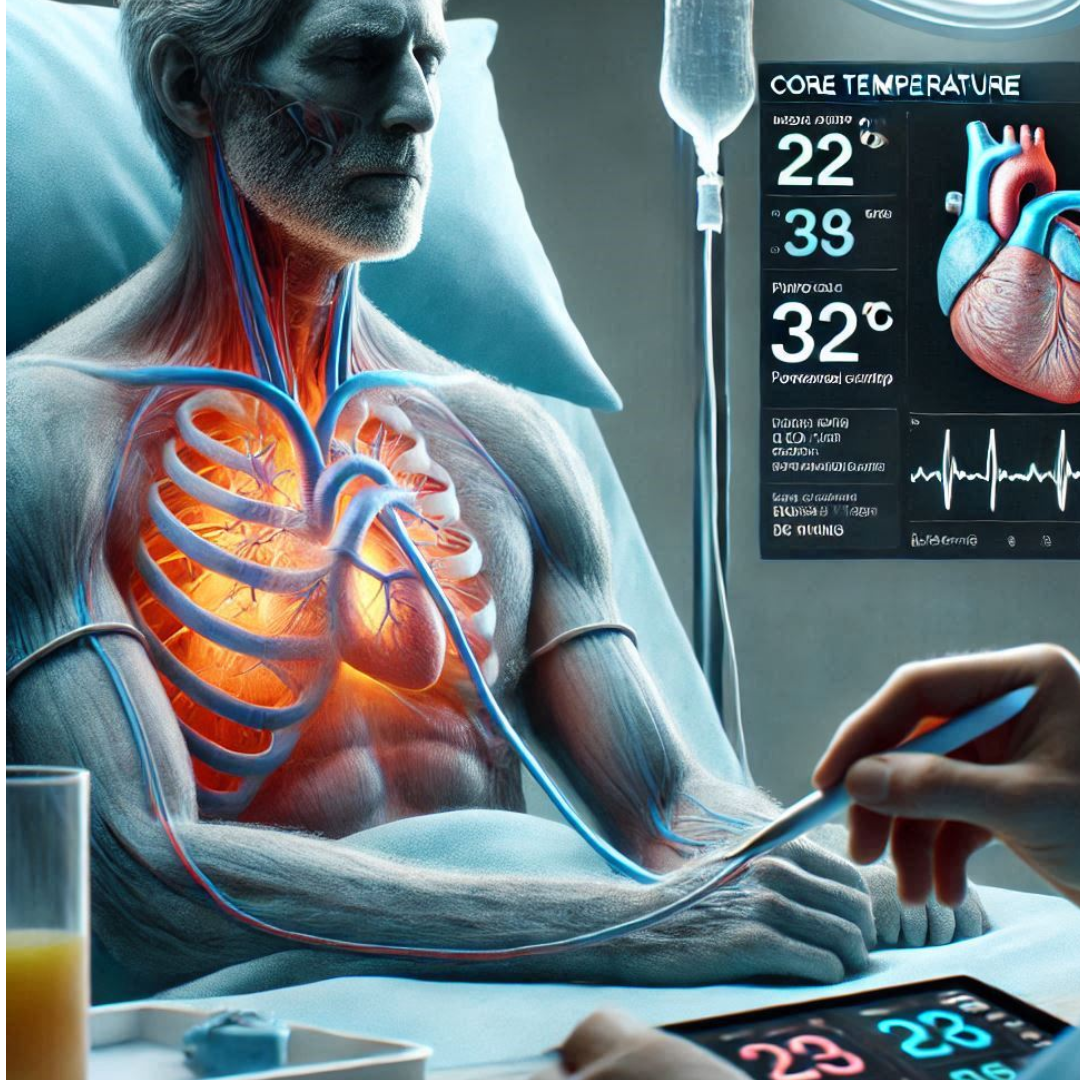
Why Core Body Temperature is Such an Important Vital Sign
Vital signs are critical indicators of health and physiological function, serving as essential tools in clinical assessments and healthcare monitoring. Among these vital signs—heart rate, respiratory rate, blood pressure, and oxygen saturation—core body temperature holds a unique and pivotal role. Let’s explore the importance of core temperature as a vital sign, its physiological implications, the … Read more

RE.DOCTOR Digital Biomarker of Diabetes
The Future of Diabetes Detection: How RE.DOCTOR Vitals Is Revolutionizing Digital Biomarker Collection Diabetes affects over 537 million adults worldwide, according to the International Diabetes Federation (IDF), and that number is projected to rise to 783 million by 2045. Early detection remains one of the most powerful tools in combating this global epidemic — and emerging technology … Read more
RE.DOCTOR Vitals for Weight Loss Clinics
The Benefits of play.re.doctor/ Vitals for Weight Loss Clinics In the competitive landscape of weight management and obesity treatment, weight loss clinics need cutting-edge technology to deliver superior patient care while streamlining operations. play.re.doctor/ Vitals is revolutionizing how clinics monitor patient health, offering a comprehensive remote patient monitoring solution that enhances outcomes and improves efficiency. What is play.re.doctor/ Vitals? play.re.doctor/ … Read more

What is the Early Warning Scale: Heart Rate Variability (HRV)
The “Early Warning Scale” you are referring to is Heart Rate Variability (HRV) itself. Unlike the Ewing system, which rates neuropathy in distinct stages (Normal, Early, Definite, Severe), HRV is a continuous physiological measurement. It is considered an “early warning” system because it can detect subclinical nerve damage (specifically to the vagus nerve) long before … Read more

How Accurate are Patient-Reported Vital Signs
Patient-reported vital signs tend to be less accurate and reliable compared to clinical measurements taken by healthcare professionals using standardized equipment and protocols. Key points from recent studies and reviews include: Vital signs (such as blood pressure, heart rate, respiratory rate, and temperature) recorded by patients or less experienced personnel often show variability, rounding, or … Read more

Postprandial Blood Sugar Measurement and its Benefits for Public Health Screening
The Undervalued Powerhouse: Postprandial Blood Sugar Measurement and its Benefits for Public Health Screening While fasting blood glucose (FBG) measurement has long been the cornerstone of diabetes screening and diagnosis, postprandial blood sugar (PPBS) measurement, particularly the 2-hour postprandial blood glucose (2hPPG), is increasingly recognized for its significant contribution to early disease detection and public … Read more

Revolutionizing Personal Health: RE.DOCTOR – The Future of Wearable Medical Technology
In the world of digital health technology, one groundbreaking innovation stands out as a true game-changer: RE.DOCTOR. This extraordinary platform is set to transform the humble smart watch from a simple fitness tracker into a powerful, personal health comprehensive medical diagnostic tool that could revolutionize personal healthcare as we know it! Imagine wearing a device … Read more

